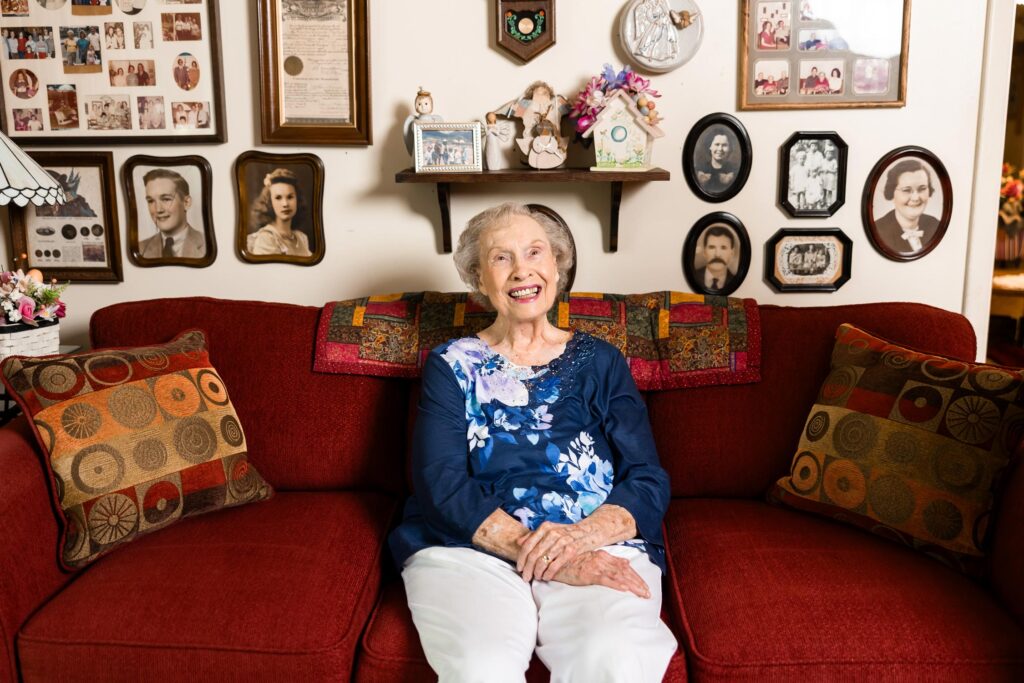
Caring for a loved one with dementia at home is a big job. You want them safe, calm, and as happy as possible, but the changes can feel overwhelming. At CareLink, we help family caregivers like you every day. We’ll walk you through how to make your home safer, manage tough behaviors, and take care of yourself, too. Remember: you don’t have to do this alone.
Key Takeaways:
- Home adjustments for dementia care include grab bars, locks, clear walkways, non-slip mats, and labeled cabinets.
- Prevent falls by removing clutter, improving lighting, and installing railings and support bars.
- Use visual and sensory cues like bold labels, family photos, and color-coded rooms for orientation.
- Consistent daily routines reduce stress: include simple meals, light activity, and a structured bedtime.
- Hygiene care should be calm and supportive; offer one-step cues and maintain warm, safe environments.
- Good hydration and balanced meals also help maintain strength and focus.
- Nighttime confusion (sundowning) eases with routines, dim lighting, and calm surroundings.
- Stay calm during aggression; triggers include noise, pain, or confusion.
- Share caregiving duties to avoid burnout; use support groups, respite care, and especially, clear family roles.
- Memory care may also be needed if safety or full-time supervision becomes an issue.
- Medicaid may additionally help cover long-term home care; the ElderCare Locator can provide information.
- Dementia care at home can last years with enough planning, safety checks, and support.
Creating Safe and Supportive Dementia Care At Home
Caring for dementia at home begins with safety, organization, and warmth. A supportive space reduces stress while offering comfort and familiarity. Thoughtful environments empower independence, encourage calm, and protect your loved one from harm.
Designing a Home That Promotes Calm and Security
Small changes have a big impact on comfort and safety. Focus on simplicity and visibility throughout the home. Remove clutter, keep walkways open, and add labels for easy recognition. Every adjustment should aim to increase peace of mind while nurturing confidence.
Key Home Modifications for Alzheimer’s and Dementia Safety
- Install grab bars in bathrooms near toilets and tubs
- Use non-slip mats and keep floors dry
- Replace dark rugs that may be confused with light, contrasting surfaces
- Also, add nightlights in halls and bathrooms
- Label cabinets and rooms with large print or pictures
In the kitchen, it's crucial to lock drawers containing sharp items and simplify appliances to enhance safety. Additionally, consider lowering the hot water temperature to prevent burns. Moreover, clear visual cues, such as color-coded plates and light switches, support orientation and ease of use. For more design inspiration, you can review Johns Hopkins Dementia Home Design resources.
Reducing Risks of Falls and Injuries
Safe spaces lessen everyday hazards. Remove cords and clutter, add sturdy railings on both sides of stairways, and ensure lighting is bright yet soothing. Consistent pathways encourage movement without fear.
Use mobility aids such as canes or walkers, and check with a healthcare provider for fit and training. Supportive shoes with firm grips help prevent slips.
Establishing Daily Routines: Caring for Dementia at Home
Creating predictable rhythms is essential when caring for dementia at home. Routines reduce confusion, calm anxiety, and preserve dignity by helping each day feel familiar and purposeful.
Building Steady Daily Patterns
Meals, hygiene, and rest should follow a gentle schedule. Begin with consistent wake-up times and end the day with quiet rituals like reading or soft music. A stable routine promotes better sleep and overall emotional balance.
| Time of Day | Routine Idea | Purpose |
|---|---|---|
| Morning | Short walk or stretching | Boosts mood and energy |
| Afternoon | Familiar task or puzzle | Keeps hands and mind active |
| Evening | Soft lighting and early dinner | Encourages calm before rest |
| Night | Bath, warm drink, gentle sounds | Supports better sleep cycle |
Supporting hygiene and grooming with dignity
To effectively care for your loved one's hygiene, it's essential to provide clear, step-by-step directions. First and foremost, remain patient throughout the process. Furthermore, lay clothing in order from top to bottom, as this approach makes dressing easier. Additionally, ensuring warm, well-lit bathrooms with a shower seat can significantly reduce fear and discomfort. Lastly, praising small efforts not only builds confidence but also fosters cooperation, thereby encouraging positive experiences.
Maintaining Nutrition and Hydration
Good food habits are essential for caring for someone with dementia at home. Offer water often and use brightly colored dishes to attract attention. Additionally, provide small, easy meals throughout the day. Soft foods or long-time favorites not only help maintain appetite but also enhance enjoyment.
Managing Behavioral and Emotional Symptoms with Understanding
Behavioral changes often arise from confusion, discomfort, or fear. Responding calmly builds trust and, more importantly, prevents stress from escalating. Recognize that behavior is a form of communication.
Reducing Agitation and Emotional Outbursts
Before reacting, pause and look for the cause; it might be pain, hunger, or too much noise. Quiet surroundings, soft voices, and familiar objects also reduce frustration. Encourage calm by acknowledging feelings and redirecting attention gently.
Responding to Repetition and Restlessness
Stay patient and consistent. When repetitive questions come, offer brief, comforting responses paired with touch or eye contact. Redirect with pleasant activities such as sharing photos, making tea, or taking short walks together.
Coping with Nighttime Confusion and Restlessness
Evenings can bring anxiety, known as “sundowning.” Keep environments dim and quiet while avoiding screens and caffeine. Use warm blankets, familiar scents, and nightlights for reassurance.
Strengthening Support for Family Caregivers
Caring for a loved one with dementia at home can indeed be both rewarding and challenging. Accessing supportive services not only preserves the health and resilience of caregivers but also ensures that individuals with dementia receive the compassionate care they need.
By connecting with organizations like CareLink, caregivers can access valuable resources and guidance. This, in turn, fosters a nurturing environment where both caregivers and their loved ones can thrive.
Preventing Burnout and Isolation
No one should carry the full weight of care alone. Therefore, it’s essential to schedule regular breaks and involve family or community volunteers. Additionally, it's beneficial to seek assistance through caregiver education programs and respite care offered by organizations like CareLink HomeCare. This way, you ensure that both you and your loved ones receive the support needed to thrive.
Helpful Supports when Caring for Dementia at Home
- Local or online support groups
- Respite care or in-home assistance
- Counseling services
- Educational workshops
Families can also share responsibility by assigning clear roles and reviewing care plans regularly. Open communication ensures ongoing harmony and consistent care, while mitigating the risk of burnout.

Evaluating When Caring for Dementia at Home Remains the Best Option
Home safety, available support, and health changes all affect how long care at home stays effective. Regular re-evaluation helps families make timely, compassionate decisions.
Recognizing When Needs Exceed Home Support
Watch for signs such as frequent wandering, skipping meals, or multiple falls. As care becomes more complex, consider additional professional help from a licensed home care provider like CareLink’s HomeCare Services.
Exploring Home Care and Memory Care Options
Both environments have strengths. Memory care facilities provide structured programs and secured settings. In contrast, home care offers comfort in familiar surroundings with flexible service levels. Choosing depends on safety, finances, and family capacity.
Accessing Financial Support and Resources
Covering costs for caring for dementia at home often requires exploring multiple funding options; it can be overwhelming, but you always have options. Government and nonprofit programs can ease this burden, as well as local organizations near you.
Caring for Dementia at Home: Medicare, Medicaid, and Community Help
Medicaid may assist with long-term support at home, depending on your state’s program. Meanwhile, Medicare may cover short-term care following hospitalization. To get started, consider visiting Medicare.gov or the Eldercare Locator for verified guidance. Additionally, other valuable supports include nonprofit grants, local church groups, and agency-on-aging programs. Ultimately, early planning protects financial security and ensures continuity of care.
Communicating With Care, Clarity, and Respect
Effective communication lies at the heart of compassionate home care. Short phrases, calm pauses, and gentle expressions help connect with loved ones even as verbal ability fades.
Practicing Nonverbal and Emotional Awareness
Pay attention to body language. Sit at eye level, smile softly, and use a reassuring touch when appropriate. Your tone, posture, and facial expressions carry just as much care as your words.
Redirecting Hard Conversations with Sensitivity
If painful topics arise, respond with reassurance rather than correction. Offer alternative activities that bring comfort, like listening to music or enjoying snacks together.
Promoting Restful Sleep and Evening Harmony
Creating nightly consistency soothes both caregiver and loved one. Comfort and routine build emotional stability and improve rest quality.
Key Steps for Better Nighttime Routines
- Use warm lighting and calm activities after dinner
- Maintain consistent bedtime habits
- Keep paths clear and bathrooms accessible
- Add soft music or white noise for a peaceful setting
When consistent sleep is achieved, quality of life improves noticeably. Seek medical guidance if nighttime restlessness persists.
Caring for Yourself While Caring for Dementia at Home
The emotional journey of caring for dementia at home requires grace and support. Feelings of guilt or sorrow are common but manageable through connection and self-compassion.
Take short breaks, nourish yourself, and reach out for counseling or group support. Organizations such as the Family Caregiver Alliance offer valuable insights and community strength. Remember, your well-being directly enhances the quality of care you give.
Staying Home With Dignity and Purpose
Many individuals live well at home for years with the right combination of support, structure, and safety features. By reviewing care needs regularly, they can ensure continued security and comfort. Moreover, maintaining communication, planning ahead, and valuing progress over perfection create a strong foundation for lasting home care success.
Take the Next Step Toward Caring for Dementia at Home with Confidence
Caring for dementia at home is meaningful work that deserves expert guidance and reliable resources.
Begin with professional HomeCare Services to design a personalized plan or explore Medicare Counseling for financial coverage options. CareLink’s certified counselors and home care specialists are ready to assist with tailored solutions across Central Arkansas.
Reach out today to build a safe, compassionate plan for your loved one and for yourself.