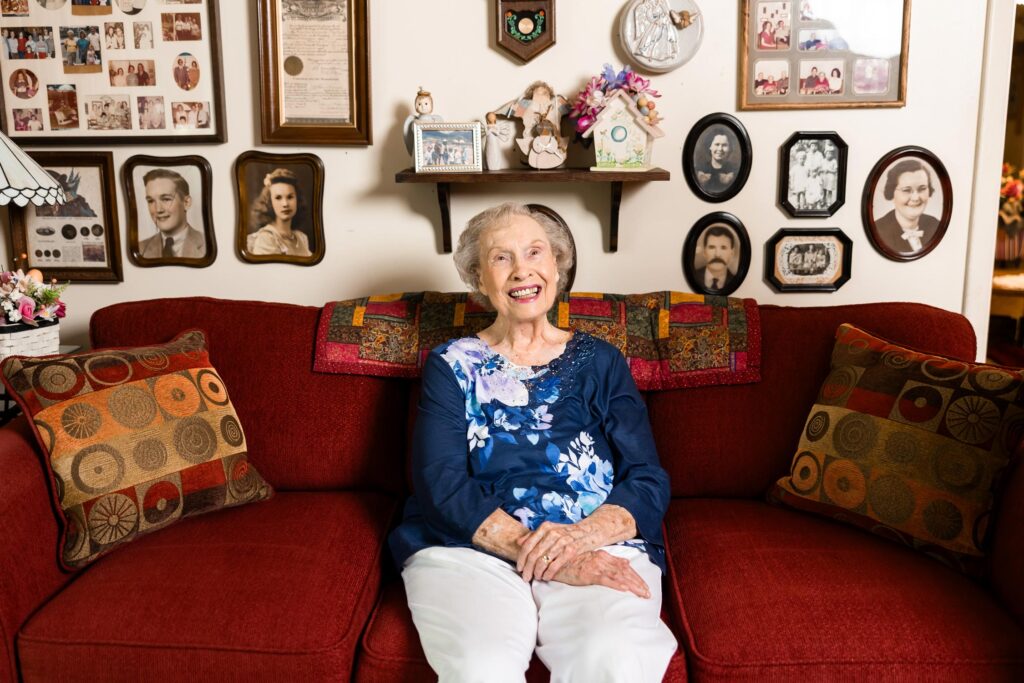
Caring for your aging parents is a journey filled with love, responsibility, and tough decisions. As a family caregiver, you juggle emotional struggles, health concerns, financial pressures, and shifting roles. Understanding what to expect can help you approach this responsibility with more confidence. Both your loved one’s care and your well-being are essential in navigating the challenges of caring for aging parents. Here, we’ll explore the common challenges you may face and how to manage them effectively.
Key Takeaways:
- Emotional Challenges: Feelings of guilt, frustration, sadness, and burnout are common. Journaling, counseling, and support groups can help manage these emotions.
- Health & Safety Concerns: Falls, medication mistakes, and medical emergencies require careful attention. Tools like medication reminders and home safety updates, along with regular check-ups, can make a difference.
- Family Dynamics: Caregiving can spur sibling disputes. Clear role assignments, boundaries, and professional mediation may reduce conflicts.
- Work-Life Balance: Time management, routines, and direct conversations with employers about flexible options (like remote work) can help balance caregiving with a career.
- Financial Planning: Long-term care can be costly. Resources like Medicaid, long-term care insurance, and emergency funds can ease the burden. Seek advice from financial professionals.
- Future Planning: Decide early on healthcare preferences, complete legal documents (e.g., power of attorney), and create emergency plans.
- Care Resistance: Address concerns respectfully, outline risks carefully, and introduce care gradually.
- Support Resources: Explore caregiver support groups, respite care, nonprofit organizations, and local programs to reduce stress.

Emotional Challenges of Caring for Aging Parents
The challenges of caring for aging parents often carry significant emotional weight. Watching your parent lose their independence can be incredibly painful. You may feel guilt, sadness, frustration, or even all at once. Without time to process these emotions, the stress can become overwhelming. Staying patient during these times can be extremely tough. Here are some tips that may ease the stress and help with emotional challenges.
Health and safety are major concerns. You may constantly worry about falls, medication mistakes, or sudden medical crises while trying to respect your loved one’s independence. Updating home safety features and maintaining a medication schedule help but sustaining this attention can be exhausting. Staying organized is key.
Family dynamics often shift unexpectedly when caregiving begins. Siblings may clash over decisions, or you might feel caregiving falls solely on your shoulders. Whether family members cooperate or not, it’s crucial to set boundaries, define roles, and maintain open communication to avoid conflict.
These challenges don’t just impact your emotions—they affect every aspect of your life. Though the stress of caregiving may feel relentless, seeking the right support and building strategies can make it much more manageable. Your focus should always remain on maintaining both your loved one’s health and your own.
Balancing Work and Caregiving Responsibilities
Balancing work and caregiving is one of the toughest aspects of the challenges of caring for aging parents. Rather than striving for perfection, focus on managing your time wisely. Start by prioritizing tasks based on their urgency and breaking your schedule into manageable blocks.
When caregiving feels all-consuming, time management can be difficult. To cope, set specific time slots for caregiving tasks like meals or medications in the evenings, and reserve mornings for work. A consistent routine helps create order and keeps you on track.
Also, communicate openly with your employer. Many workplaces now offer Family Caregiver Support Services, so it's worth discussing your situation with your manager. Discuss your situation and request flexible scheduling, such as remote work or adjusted hours, to help balance your job and caregiving responsibilities.
If you're managing both caregiving and a career, blending these roles may become inevitable. A practical tip is to incorporate caregiving tasks into your workday, such as scheduling calls to healthcare providers during lunch or planning medication routines during quieter moments.
There’s no perfect solution but managing your time well and asking for help when needed can ease some of the stress. Even small wins can make a big difference in reducing the pressure. This study from Michigan Medicine offers insights and contexts that may help you navigate these overlapping roles.
Financial Considerations When Caring for Aging Parents
The challenges of caring for aging parents often come with unexpected financial hurdles. One of the biggest issues you may face is covering the high costs of long-term care. Whether it’s hiring in-home help, modifying living spaces, or moving your parent to an assisted living facility, these expenses can quickly deplete your savings.
While insurance or government benefits may offer some relief, they often don’t cover everything. For example, Medicare only covers specific medical needs and short-term rehabilitation. If you don’t have long-term care insurance, you may need to explore other options like Medicaid. Just remember that Medicaid has strict income caps and guidelines for eligibility.
Another challenge is dealing with unplanned expenses that can arise unexpectedly. Emergency hospital visits, specialized equipment, or home modifications like ramps can add up quickly. To protect yourself from financial strain, try setting aside extra funds for these costs. Without preparation, these surprises can create a lot of stress.
Managing Health and Wellness Needs for Elderly Parents
Managing the health and wellness of your elderly parents can sometimes feel overwhelming. One major focus is organizing their medication. Many seniors have multiple prescriptions, each with its own schedule, and missing even one dose can lead to serious issues. Tools like daily pill organizers or setting reminders can help, but they aren’t without their flaws.
Keeping up with medical appointments is just as important. Missing check-ups can lead to undetected health issues. It’s helpful to plan these appointments in advance and keep a shared calendar. Open communication with these professionals helps promote proactive care instead of reactive solutions.
Physical wellness also plays a significant role. Encourage your parents to take short walks, stretch, or do light home exercises. Even small movements can help maintain their strength and reduce joint discomfort. By including enjoyable activities, they’re more likely to stick with these habits consistently.
For broader advice on overcoming caregiving barriers, especially when living apart from a parent, check this guide on Caring for Elderly Parents from a Long Distance.
Planning for the Future Care Needs of Aging Parents
Planning ahead can make caregiving less stressful over time. Start by creating a long-term care strategy. Assess your parent’s current daily needs, such as help with meal preparation or mobility, and consider how these might change in the future. You may need to think about options like in-home care or assisted living.
Honest conversations about healthcare and financial preferences are equally important. Talk to your parents about their wishes for medical treatments and end-of-life care. Understanding this in advance can help you avoid difficult surprises later.
Finally, make sure all legal documentation is in place. This includes power of attorney, living wills, and emergency contact information. These steps ensure you can act quickly and confidently in unexpected situations, giving everyone involved peace of mind.
Handling Resistance of Care from Aging Parents
Resistance to care is often rooted in fear or a desire to maintain independence. To address this, start by listening carefully. Ask open-ended questions to understand their biggest fears or concerns. A question like “What are you most worried about?” is a great starting point.
Once their feelings are clear, share concrete examples of risks involved with rejecting assistance. Be specific and respectful in explaining the potential dangers, like falling without the support of a walker. It often requires patience to find a balance between respecting their wishes and ensuring their safety.
Reducing the Challenges of Caring for Aging Parents
Becoming a caregiver can feel isolating, but you don’t have to go it alone. One of the most helpful steps you can take is joining Caregiver Support Groups. These groups provide comfort and practical advice by connecting caregivers who share similar experiences. Many are accessible through local centers or online forums and focus on specific needs, like Alzheimer’s care or general caregiving guidance.
Another key resource is Respite Care. This gives caregivers temporary relief, whether through professional help for a day or short-term stays in care facilities. Even a few hours away can provide much-needed rest, letting you recharge and return with renewed focus.
Also, you can explore community and nonprofit resources, such as American Association of Retired Persons (AARP) or local organizations. These groups often provide useful tools, including guides on caregiving, financial advice, and support in medical decision-making. By taking advantage of these tools and resources, the caregiving process can feel less overwhelming and more manageable.
Balancing caregiving is tough, but by recognizing the challenges, seeking support, and planning ahead, you can navigate this role more effectively. It’s important to acknowledge your own needs while caring for your loved one, as your well-being is just as crucial. Whether through structured strategies or small, meaningful steps, each adjustment you make helps lighten the load and improve the care you provide.
Get the Support You Need for Your Caregiving Journey
Caring for a loved one is challenging, but you don’t have to do it alone. Contact CareLink today to access the support and resources that can help you manage the demands of caregiving while prioritizing your well-being. Our team is here to offer strategies, guidance, and assistance every step of the way.