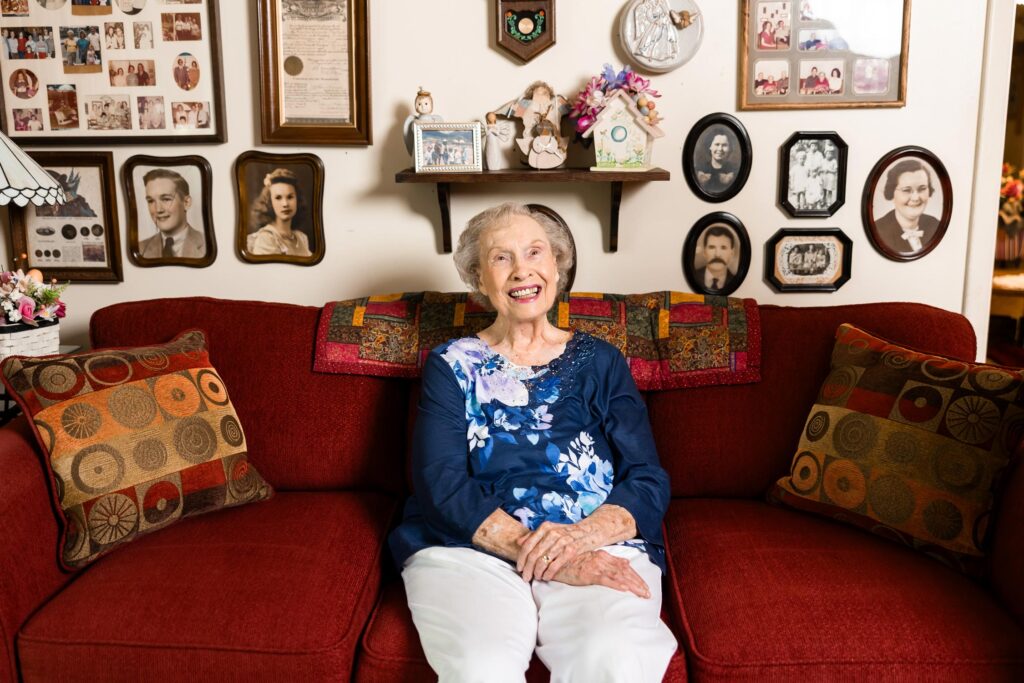
Balancing care and holidays can be challenging for caregivers, transforming what should be a joyful season into a period of added pressure. Juggling the responsibilities of creating festive memories while managing daily caregiving duties can feel overwhelming. Understanding your limits and being able to set boundaries is essential. Find compassionate strategies to help caregivers plan effectively, breathe more easily, and rediscover joy, ensuring both care and holiday demands are met without losing oneself in the process.
Key Takeaways:
- Common holiday caregiver stressors include overload, guilt, grief, and loneliness.
- Burnout signs: trouble sleeping, sadness, forgetfulness, frequent illness, numbness.
- Mindfulness and self-awareness ease anxiety; deep breathing supports calm.
- A home “peace zone” offers an emotional reset.
- Make sleep, movement, hydration, and small joys a priority; request help over gifts.
- Communicate limits early and clearly with family; delegate tasks.
- Shared caregiving eases pressure and creates more joyful moments.
- Streamline traditions; focus on meaningful activities with loved ones.
- Use calendars, checklists, and visual planning tools to manage care and holiday tasks.
- Respite care provides helpful breaks; support groups and teletherapy can guide and uplift.
- Long-distance caregivers can stay involved with calls, deliveries, and planning apps.
- Budget by noting top priorities; offer or request help instead of material gifts.
- Maintain safety with medication planning, clear space, and readiness for emergencies.
How Can Caregivers Manage Emotional Stress During the Holiday Season While Balancing Care and Holidays?
Holidays can bring both joy and emotional strain for caregivers, often leading to feelings of guilt, sadness, and overwhelm.
Common Emotional Challenges for Caregivers
Caregivers are often pulled in many directions at once, managing gatherings, travel, gifts, and support for loved ones. This expectation can lead to feelings of guilt or loneliness, particularly if help is not offered by others. There may also be grief over missed traditions or absent family members.
Signs of Caregiver Burnout During Festive Seasons
Be vigilant for the following signs:
- Sleep problems
- Mood changes, such as anger or sadness
- Forgetfulness
- Frequent illness
- Emotional numbness
A loss of interest in usual activities can indicate serious overload and requires attention to mitigate deeper strain.
Benefits of Mindfulness and Self-Awareness
Mindfulness involves pausing to understand feelings without judgment. Taking five slow breaths can provide a break from stress, allowing emotions like sadness or guilt to be recognized and compassionately addressed. Naming feelings can reduce their impact.
Importance of a Peace Zone in the Property
A calm space at the property can be a crucial emotional reset. It doesn't need to be large to be effective. Crystal L. Walter, a Licensed Clinical Social Worker, suggests creating a clean, quiet area where you can read, rest, or enjoy tea, offering clarity and refreshment.
Promoting Emotional Wellness During Holidays
Embrace an imperfect holiday. Set realistic standards by shifting the focus from gifting to meaningful activities. Open communications with relatives about limits ensures clarity and mutual understanding. Regular rest, hydration, light movement, and laughter are key.
What Self-Care Strategies Can Caregivers Prioritize While Celebrating Holidays and Balancing Care?
Establish Boundaries and Request Support
Establishing boundaries is essential to avoid stress. It's important to have calming spaces even within a busy property. Use these spaces to take slow breaths, write down thoughts, or nap briefly. Open discussions with loved ones about personal limits can be facilitated by encouraging practical support over gifts.
Habits for Wellness During Festive Times
Prioritizing restful sleep, light physical activity, joyful moments, and mindful breathing improves overall well-being. Align daily activities with personal energy levels by maintaining a consistent bedtime, enjoying brief, peaceful periods with a book or music, and sustaining oneself with nourishing food.
Cultivating Kindness and Letting Go of Guilt
Guilt and self-judgment often arise when taking breaks or skipping traditions. However, caregiving requires sustainable energy, not perfection. Support groups can offer relief and reinforce that one’s best is always enough.
Caring for personal needs is integral to effective caregiving for others.
How Can Families Collaboratively Plan Holidays When Balancing Care and Holidays?
Communicating Needs and Boundaries with Relatives
Clear communication is paramount. Address what is manageable and what is not right from the start. Saying, "Help with dinner planning is needed," sets a necessary boundary that promotes understanding and prevents misunderstandings. Early discussions before the busy season ensure everyone is informed.
Role of Family Support in Easing Responsibilities
Family support alleviates pressure significantly. Relatives willing to help may not know how best to contribute. Directly delegating tasks like errands or decoration setup fosters involvement and reduces individual burdens. Shared caregiving reduces fatigue while enhancing joy and a sense of togetherness.
Sharing Holiday Caregiving Duties to Reduce Strain
Alleviate holiday fatigue by distributing responsibilities among family members. Break down large tasks, assign roles, and use shared calendars for coordination. Even distant family members can contribute through clear communication and planning.
How Can Caregivers Balance Day-to-Day Responsibilities with Festivities?
Time-Management Tips for Balancing Care and Holidays
- Use a calendar to map out care needs and holiday plans. This avoids overload and ensures everything is prioritized.
- Identify and list main priorities. It makes it easier to focus on what truly matters during the busy holiday season.
- Ask for help whenever possible. When someone offers assistance, provide them with a specific task like wrapping gifts or bringing dessert. This lessens stress and distributes responsibilities.
Avoid aiming for perfection. If a large meal is too much, consider organizing a potluck. Hosting can also be moved elsewhere if the guest list feels overwhelming.
Preparing for Unexpected Changes During Festive Seasons
Caregiving during holidays is prone to unexpected shifts. Weather changes, illness, or mood swings can disrupt plans. Prepare by having extra supplies on hand for longer-than-expected outings. Keep simple and clear instructions available for others who might need to step in.
Checking with healthcare providers about medication refills or virtual appointments in advance provides flexibility. Keep a folder or digital file ready with important contacts, medication details, and allergy information for quick access. This avoids panic when plans shift unexpectedly.
Balancing Care, Holidays, and Traditions
Incorporate small but meaningful activities into holiday traditions. Rather than hosting large gatherings, focus on intimate, cozy traditions. Activities like watching a seasonal movie, baking cookies, or lighting candles can offer joy. Ensure these activities are aligned with what loved ones enjoy most.
Set up a quiet retreat space for short breaks, as Crystal L. Walter suggests. Even five minutes in a calm place can change one's mood significantly. By aligning traditions with actual life circumstances, caregiving becomes a peaceful and enjoyable experience.
Realistic Planning Tips for Balancing Care and Holidays
Managing Expectations Without Holiday Perfectionism
Maintaining simplicity and aiming for connection over control prevents the trap of seeking perfection. It’s crucial to focus on what truly warms the heart. Streamlining celebrations by having smaller meals or fewer gifts reduces pressure, emphasizing time spent with loved ones.
Caregivers often experience guilt; to combat this, define what "enough" looks like and honor those boundaries. Agree to commitments that feel manageable and kind.
Simplifying Celebrations to Balance Care and Festivities
Identify and retain meaningful traditions while letting go of the rest. Select aspects of the holiday that truly bring joy. If baking cookies is enjoyable, continue that tradition. If wrapping gifts causes stress, consider avoiding it. Host potlucks or order takeout to simplify meal preparations.
Relatives can provide help instead of gifts. Practical assistance, like picking up dinner or cleaning, adds more value than most physical gifts. Engaging in activities together strengthens connections more than gift exchanges alone.
Visual Planning Tools for Caregiver-Friendly Festivities
Employ visual planning tools like large displays or digital planners to organize events. Color-coded sections for appointments, family time, and breaks help avoid last-minute surprises and stress.
Create specific checklists for meals, visits, and self-care for caregivers. If the schedule becomes too packed, spread tasks out or remove non-essential items. This approach not only organizes but also reclaims peace.
Balancing Care and Holidays: Including Care Recipients in Holiday Celebrations
Inclusive Holiday Activities for Seniors and Individuals with Disabilities
Plan activities that are simple, joyful, and tailored to individual needs. Include options like tasting cookie dough, singing along to music, or enjoying old family photos. Crafts, classic films, and shared stories encourage connection without placing physical demands on participants.
Adapting Traditions to Varying Needs
Modify parts of traditional celebrations to accommodate physical and cognitive needs. Reduce the number of steps in an activity, allow more rest periods, or keep visits short. Table-height decorating can benefit individuals using wheelchairs, while quieter lights and sounds suit those with noise or memory sensitivities.
Flexibility is key. Adjust activities based on how care recipients are feeling each day.
Engaging Care Recipients in Festive Joy
Engage all five senses where possible. Allow care recipients to help choose music or shape cookies. Invite them to share stories from the past, acknowledging their presence and history. Creating a memory book together, complete with photos, notes, and holiday cards, gathers more than just decorations; it gathers meaning.
Plan around preferences, avoiding stressful situations, and incorporating soothing elements; caregiver respite from organizations such as CareLink can help.

What Respite Care and Support Options Are Available During the Holidays While Balancing Care and Celebrations?
Understanding Respite Care Benefits
Respite care offers temporary relief for caregivers by allowing someone else to step in. This support can occur at the property, in a care center, or during a brief stay elsewhere. These short breaks allow time for shopping, resting, or attending events without worry. The holiday season often brings added pressure; these pauses can restore peace and reduce feelings of guilt.
Accessing Caregiver Support Communities
Local and digital communities provide valuable support. Check nearby churches, libraries, or health centers for in-person support groups. Online forums and communities, via Facebook or caregiver sites, offer shared advice and comfort. If feeling overwhelmed, teletherapy provides quick access to a trained expert.
Scheduling Time Off Effectively
Share a care plan, ask for help clearly, and start early. Providing specific requests, like "Can you take over for 2 hours on Saturday?" is more effective than general asks. Look into local care agencies for backup assistance when needed. Even short breaks matter. Setting a goal for one weekly break can help reset your mood. Asking for help opens the door to greater strength.
How Can Long-Distance or Working Caregivers Effectively Support Loved Ones Over the Holidays While Balancing Care?
Tips for Staying Connected and Supportive
Regular check-ins and involving others nearby can maintain connection. Set up weekly video calls and send messages or notes. Ask close friends or neighbors to stop by when you can’t. Small actions, like a kind card or quick update, show love. Use shared chats to stay informed and involved.
Coordinating Responsibilities and Downtime
Utilize shared calendars, communicate limits early, and protect rest time. Begin with a list of key needs and integrate work hours and free time into a visual calendar. Open communication with employers and family about manageability is essential. Task delegation is beneficial for balancing responsibilities. If help isn't available, it's okay to skip overwhelming tasks.
Leveraging Remote Tools
Video chats, delivery apps, and group scheduling tools can assist in managing holiday caregiving. Apps like Zoom or FaceTime let caregivers share in special moments. Delivery services ensure timely drop-offs of meals or supplies. Online tools such as Google Calendar or Cozi help families keep track. Pharmacies with reminder alerts or delivery options can offer additional support.
How Can Caregivers Manage Finances and Gift-Giving Stress While Balancing Care and Holidays?
Setting a Realistic Holiday Budget
Choosing top priorities, setting a spending cap, and closely tracking costs can ease stress. Identify three key priorities for the budget and focus your spending there. Avoid extra decor unless it brings genuine joy. Tracking with apps or notebooks maintains mindfulness. Don't hesitate to ask others to share costs on meals or presents. Open conversations prevent surprise bills and unnecessary guilt.
Meaningful, Low-Cost Gift Ideas
Time, help, or handmade items are appreciated and meaningful. A kind letter, helping with errands, or a homemade treat expresses thoughtfulness. Small comforts like tea, a candle, or arranging a break with friends can be significant. The best gift may often be rest.
Shifting to Support-Based Gestures
Families can shift from material gifts toward supportive actions. Discussing what real support looks like strengthens connections. Simple lists like errand runs, meal prep, or cleanup can guide relatives to gift meaningful support instead of shopping. Meaningful support also lifts any guilt caregivers may feel for not doing everything.
What Are Essential Safety and Health Considerations in Balancing Care and Holidays?
Ensuring Medication Safety While Balancing Care and Holidays
Maintaining steady routines and organizing medication details are crucial. Have a complete list of medications, times, and dosages available. Pack extra doses and use simple tools like pillboxes or alarms to stay on time. If traveling, adhere to routines and call providers ahead of time if in doubt.
Safety Considerations for Gatherings
Ensuring clear walkways, proper seating, and lower noise levels enhances comfort and safety for elderly or disabled individuals. Choose sturdy chairs, remove tripping hazards, and use soft lighting with quieter music. Make sure restrooms are accessible and safe. Watch for signs of tiredness and be prepared to exit early if necessary. Provide hosts with advanced notice for needed adjustments.
Preparing for Medical Contingencies
Carrying a folder with medical contacts, instructions, and key health information aids preparation. Print important numbers, allergy lists, and medication guides. Back up app information with paper copies and locate clinics near destinations. Keep medications close; never check them into luggage. Clearly labeling everything is advisable. Asking hosts about quiet spaces during long gatherings can provide relief. Preparation enables greater comfort and less panic during unexpected events; contact CareLink for support.
Balancing Care and Holidays Brings Joy All Around
As the holiday season approaches, finding the balance between caregiving and celebration is crucial. CareLink understands these challenges and is here to support caregivers every step of the way. By providing access to vital resources and compassionate strategies, we help caregivers navigate the demands of the season while embracing the joy it can bring. Don’t let the pressures of the holidays overshadow the warmth and connection you and your loved ones deserve. Learn more about our services and how we can assist you in maintaining a peaceful, joyful holiday. Reach out to us today at CareLink and let us help make this season a time of comfort and happiness for you and your family.